

How to Choose the Right Refrigerated Vehicle in Dubai
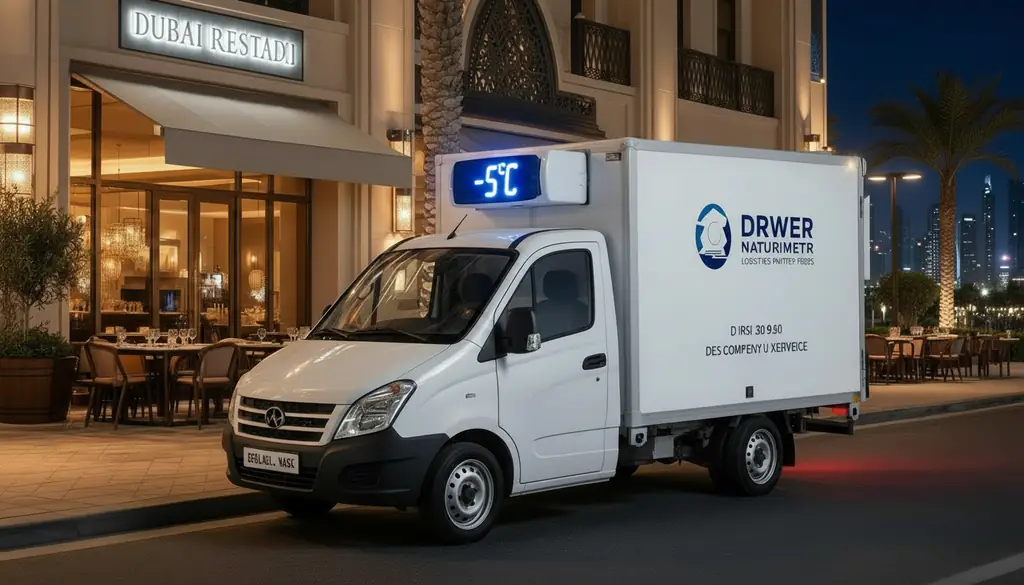
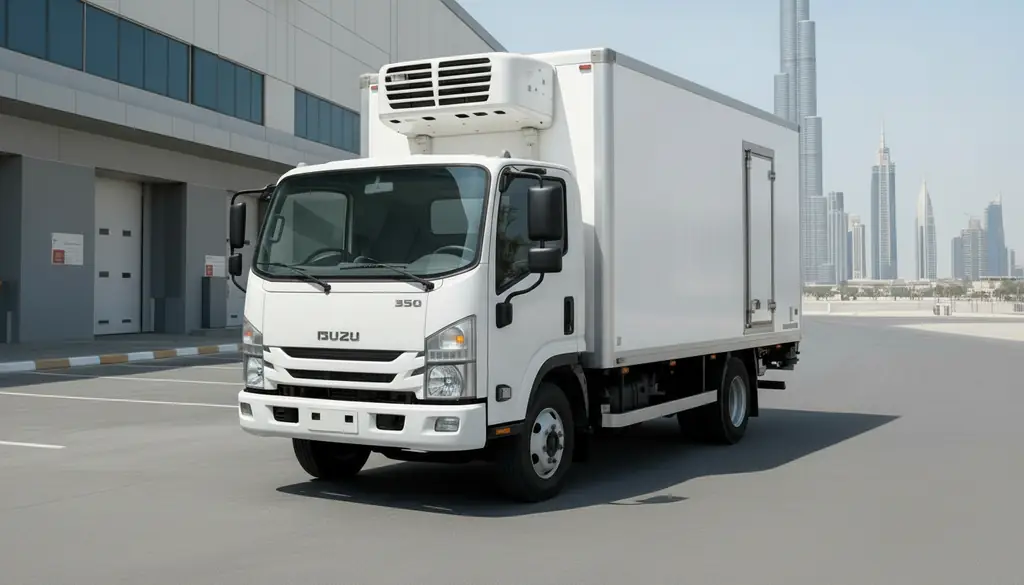
Three variables decide the vehicle: the temperature your cargo must hold, the weight and pallet footprint of a full load, and the access at your collection and delivery points. Most first-time renters over-specify weight and under-specify access. A 3-ton truck that cannot turn into a service road in Deira or reverse to a loading bay in Al Quoz is slower over a day than two runs with a 1.5-ton van, even though the payload figure looks better on paper.
Temperature is the one variable you cannot compromise on. Chilled cargo — fresh produce, dairy, bakery, prepared meals — needs a stable 0°C to +5°C. Frozen cargo — ice cream, seafood, frozen meat — needs -18°C or colder held continuously, which means a deep-freeze unit rather than a chiller run at its lower limit. Pharmaceutical loads need a validated +2°C to +8°C envelope with documented mapping, which is a different vehicle class again.
The third factor is duty cycle. A van that opens its doors thirty times a day on a multi-drop route loses far more cold air than one making two bulk deliveries, so high-frequency routes want fast pull-down and strip curtains more than raw capacity. Tell us the drop count when you enquire and we will size against the real duty cycle rather than the pallet count.
- Chilled 0°C to +5°C — produce, dairy, bakery, prepared meals
- Deep-freeze -18°C to -25°C — ice cream, seafood, frozen meat
- Pharma +2°C to +8°C — validated, GDP-documented transport
- Multi-zone -20°C to +5°C — mixed frozen and chilled on one run
- Access before payload on dense urban routes
- Duty cycle drives pull-down speed requirements